Dream Hybrid Practical Generative Music Video
Dream begins with a simple act of presence. In a delivery room, a parent meets their child for the first time. There is no grand announcement, no swelling moment — only arrival, and the quiet recognition that a life has begun. That presence becomes the foundation on which everything else is built.
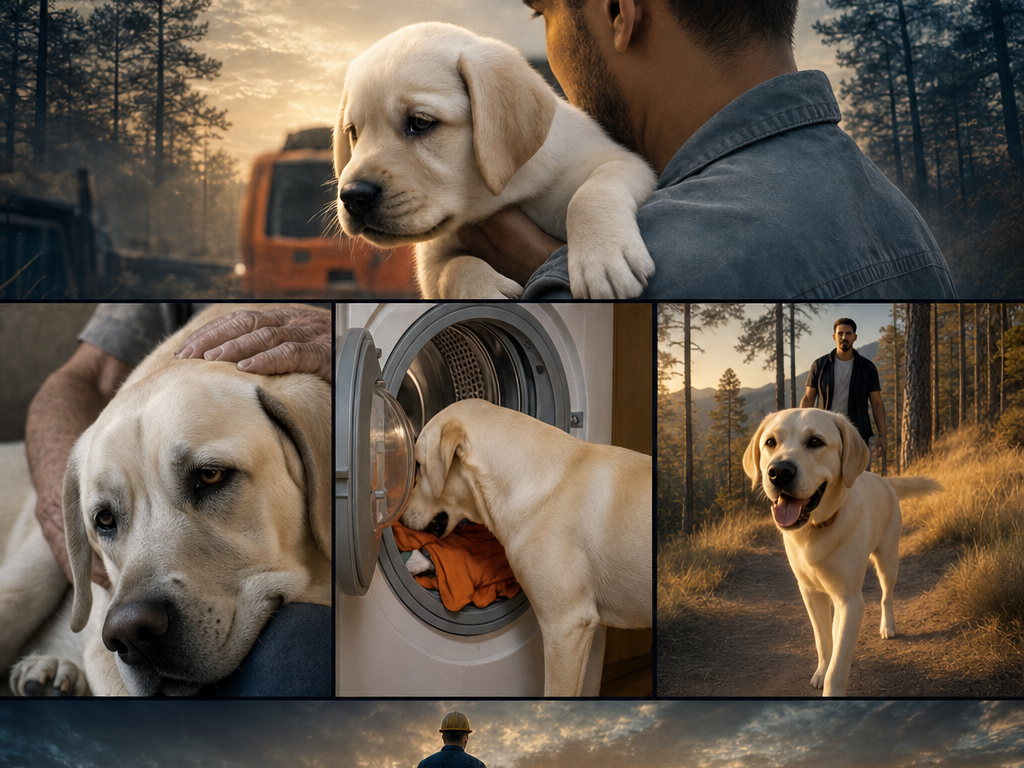
The parent is kept partially obscured through much of the film. In place of faces and expressions, a handful of ordinary objects carry the passage of time — a child's bicycle, a car raised for repair, a cluttered workshop, an open road. These objects return across the years, and as they wear and weather they mark the decades passing, allowing the audience to feel a life unfold without studying a face. What the film shows instead is hands, gestures, and the shared work of teaching.
The early years hold the heart of the film. The parent teaches the child to ride a bike, to work on a car, to try and try again. The lesson is rarely spoken aloud. It is shown, repeatedly, through steady hands and patient repetition: you are capable. Some of the film's most affecting moments are also its smallest — a wobbling first ride steadied from behind, a pair of hands guided over an engine, an evening of ordinary closeness.
The title carries a meaning beyond the obvious. A dream is the hope a parent holds for a child long before the child can understand it — and it is also the life that grows to fulfill it. The film lives in that duality: the one who plants the dream and the one who carries it forward. What is given early takes root and goes on living, even after the giver has stepped away.
As the years move on, the household changes and the parent departs. The child reaches across the new distance, and the film honors that this transition is real. Its attention stays fixed on what endures. Through changing seasons and changing circumstances, the early investment remains — the skills, the confidence, the belief held in another person's ability to try.
The child grows into a young woman who lives with what she was given. She rides. She builds. She works. She moves through the world with a competence and self-assurance that were shown to her years before. The investment made in ordinary moments becomes visible in the life she now leads — the working foundation of who she has become.
In the film's final movement, the lens pulls back. The single story opens onto many — women across trades and professions and generations, each carrying something forward. Builders, farmers, speakers, makers. The film expands from one family into a wider circle, revealing the network of guidance and example that shapes a person and travels, quietly, from one life into the next.
Dream is ultimately a story about the quiet accumulation of presence — the countless ordinary days that shape a life more surely than any single dramatic moment. It is a reflection on guidance, capability, and the way influence carries forward. There is equity in absence: what is given early endures, and a dream planted in one life goes on living in another. In a culture quick to measure relationships by proximity, Dream celebrates the lasting power of showing up.

A Generative Study in Multi-Generational Narrative Continuity
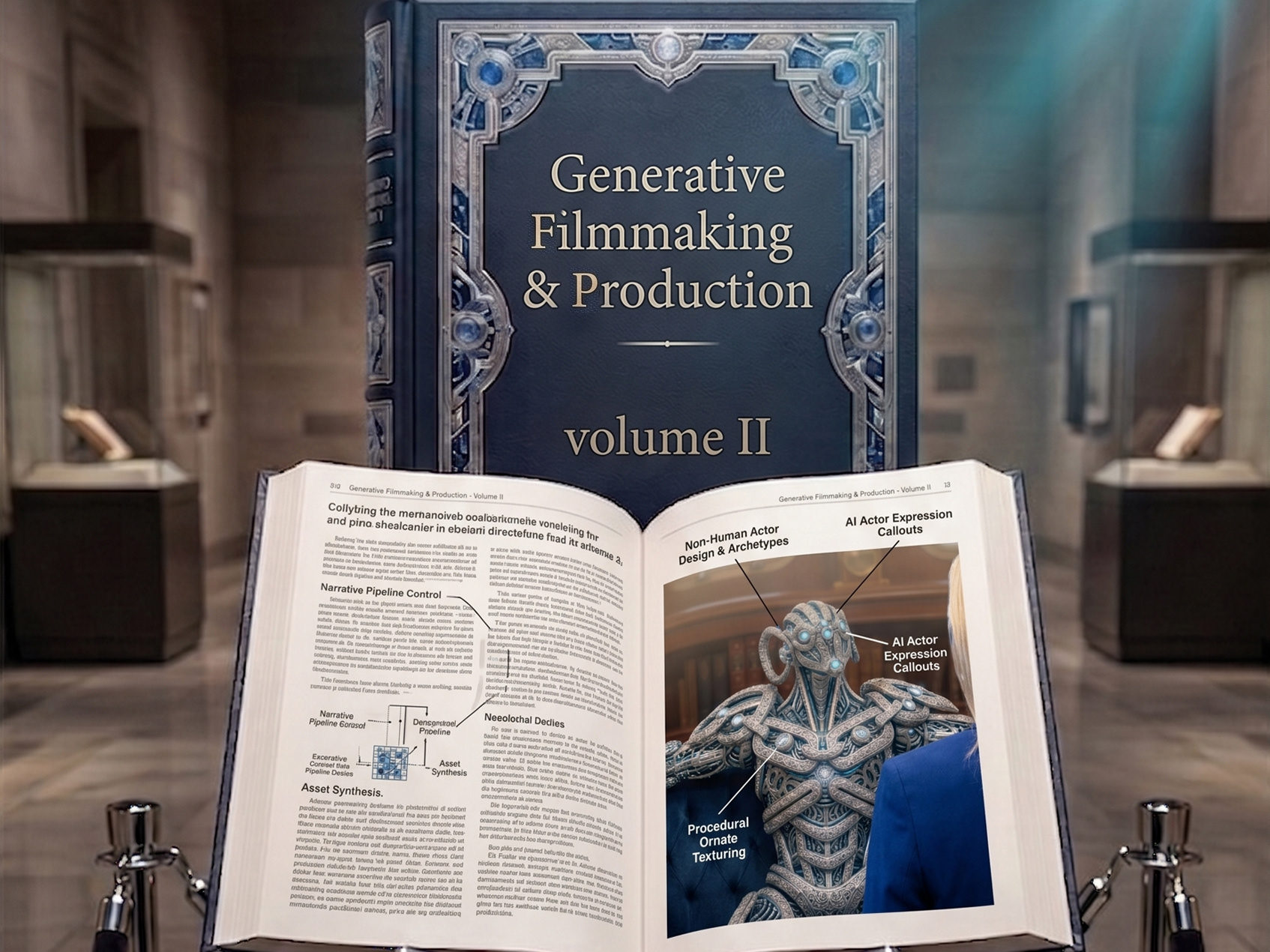
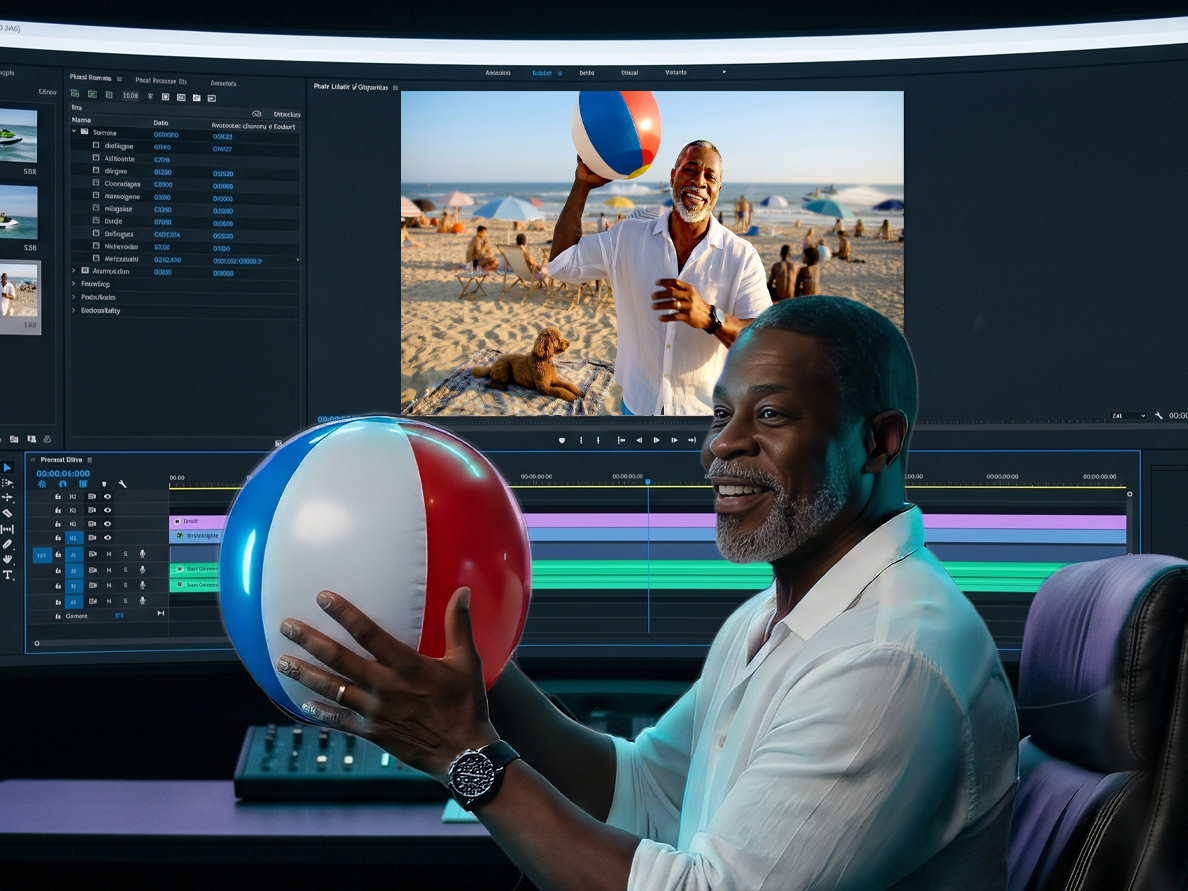
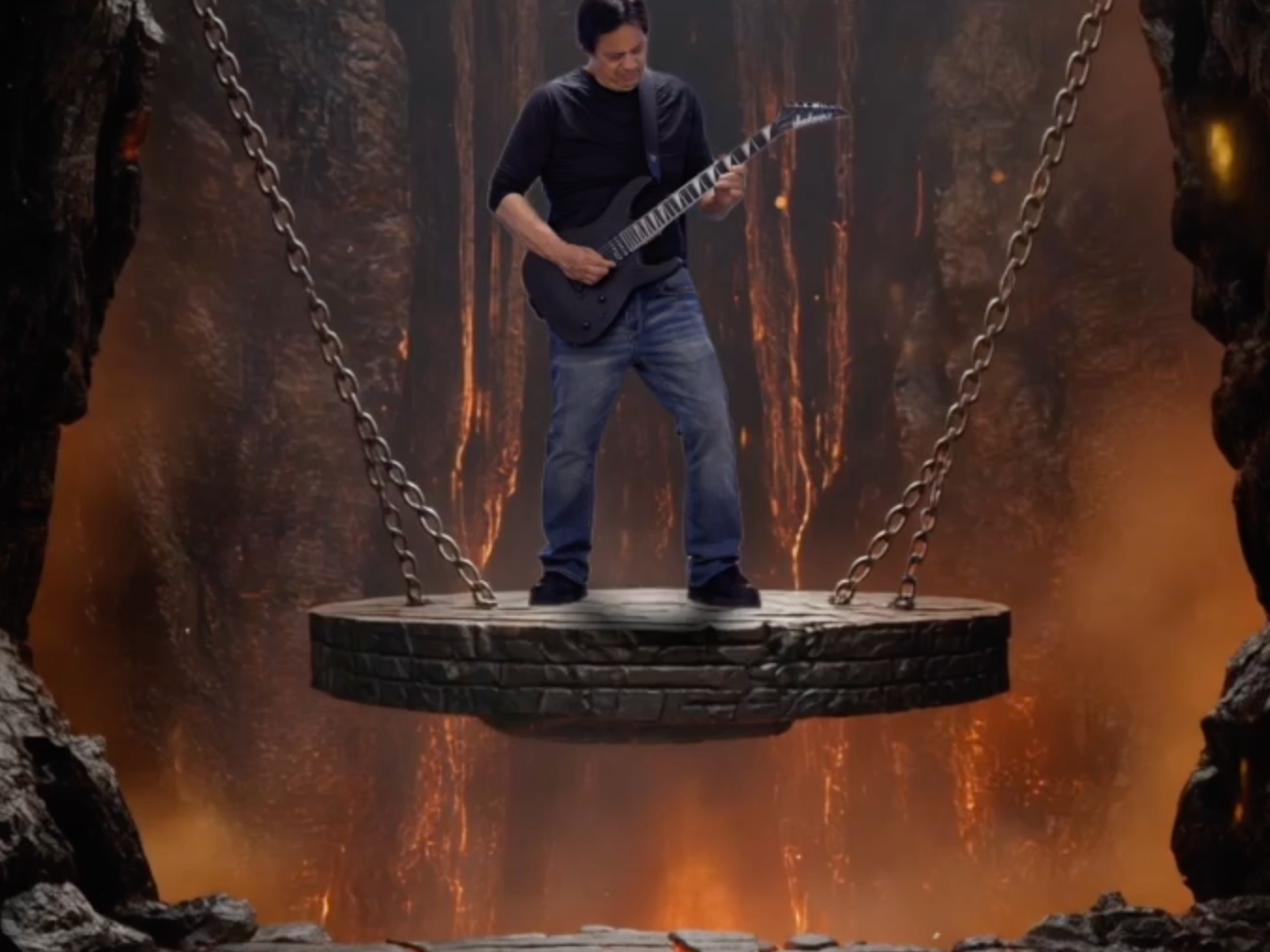
Dream is a hybrid practical–generative music film, directed from the editing chair by a single filmmaker. An original score — written and performed for the film — anchors the work in a present body and instrument, while generative sequences extend it across decades, carrying a full lifetime within a single film. Where Gemini sustained continuity between two figures in a fully generative vertical frame, Dream returns to widescreen and widens the timescale: holding identity within one figure across decades, then opening outward to the many lives shaped by the same kind of investment.
Production methodologies include:
- Multi-decade continuity modeling, holding identity and tone from infancy through adulthood
- Hybrid integration of live musical performance with generative narrative sequences
- Symbolic-object anchoring — bicycle, car, workshop, open road — to carry a single thread across time without reliance on facial matching
- Suggestion-based composition favoring gesture, hands, and shared activity over direct portraiture
- Generative memory reconstruction for the film's interior, recollective passages
- Scene rhythm structured to musical progression rather than script-based timing
- Iterative prompt evolution guided by failure-state analysis and visual artifact correction
- Widescreen composition designed to hold expanded continuity across a larger frame
These systems emerged through constraint, iteration, and direct observation. Each sequence was refined across repeated generative cycles in Adobe Firefly, where unintended outputs informed the next compositional decision — fresh prompts outperforming reference-frame continuations, and physical, spatial motion language outperforming cinematic jargon. The result is a responsive process shaped in real time, where coherence is achieved through accumulation across decades rather than through previsualized control.
Dream functions simultaneously as a cinematic work and a methodological study in whether generative systems can sustain emotionally continuous storytelling across the full span of a life — and across generations. It is the widescreen, hybrid extension of the question first established in Gemini.
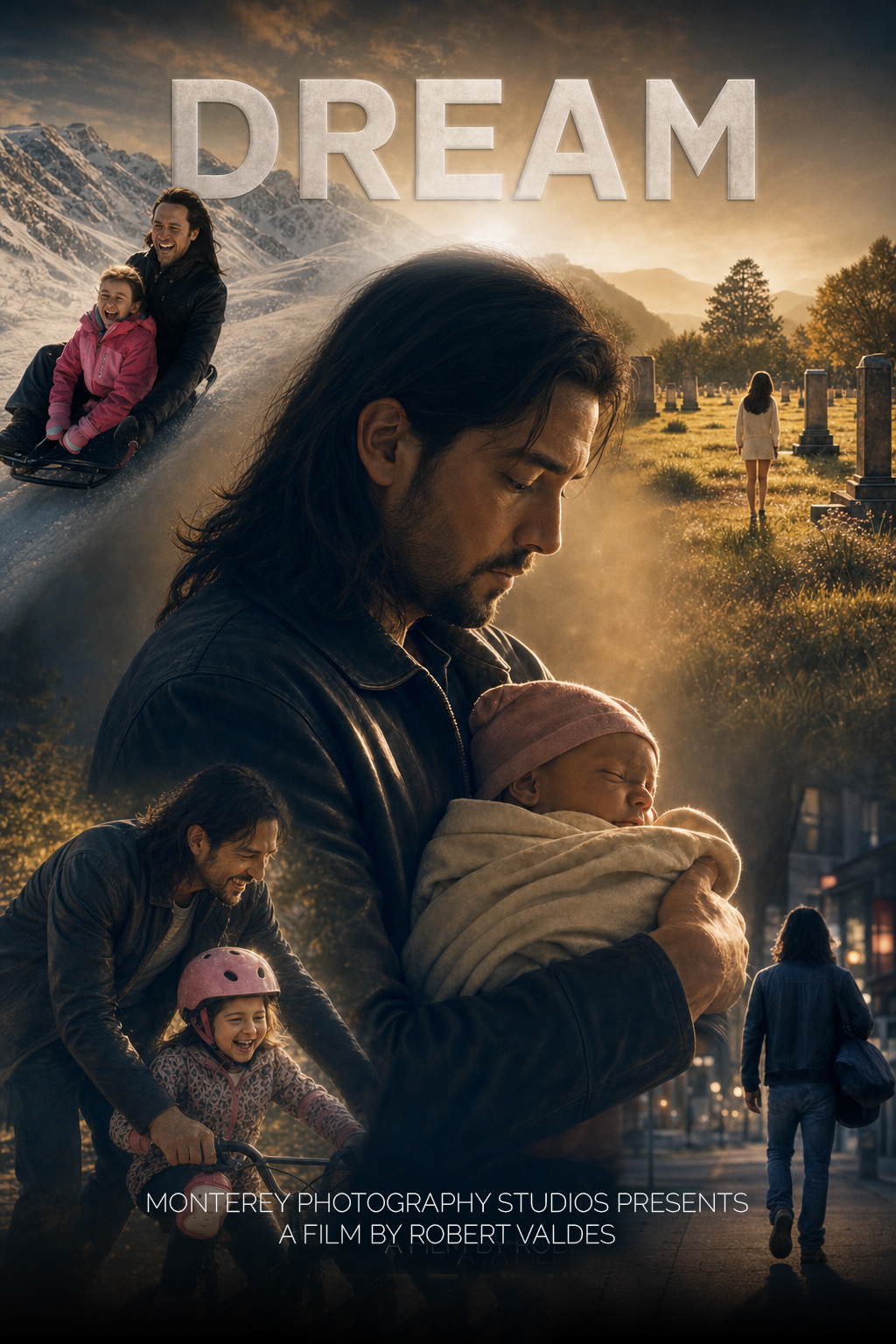
DREAM HYBRID-PRACTICAL GENERATIVE MUSIC VIDEO

CONNECT WITH MONTEREY PHOTOGRAPHY STUDIOS
Monterey is a generative film studio exploring new forms of cinematic storytelling. For inquiries or collaboration, you may reach the studio here.
Thank you!