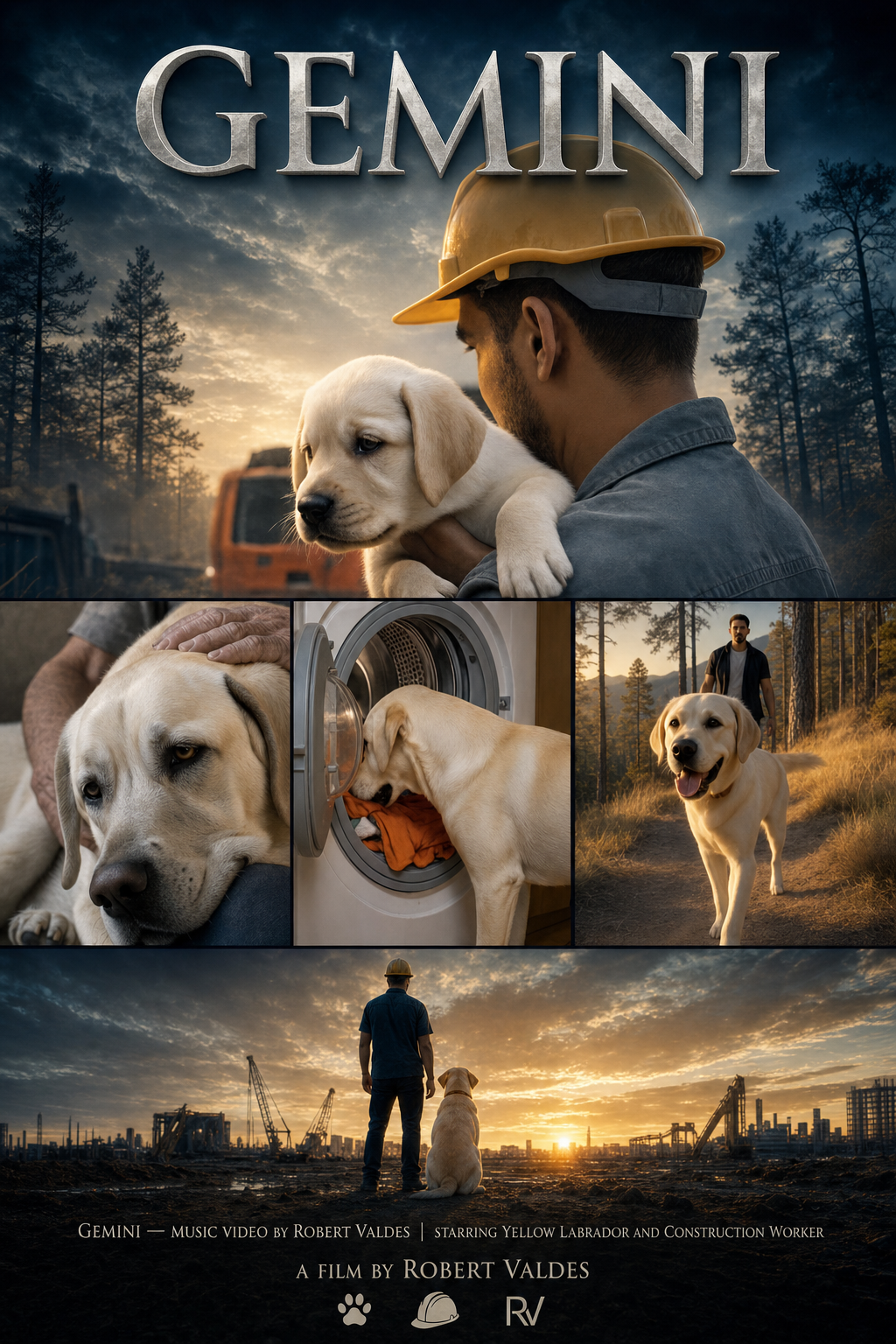
Gemini begins with a simple act of companionship. A construction worker enters a pet store and adopts a yellow Labrador puppy. There is no grand introduction or explanation. The connection is immediate, built not through words but through presence. From that moment forward, the two lives become intertwined.
The construction worker is intentionally kept partially obscured throughout much of the film. Rather than relying on facial expressions to communicate the passage of time, a bright yellow construction hat becomes the visual anchor of the story. In the early years, the hat is vibrant and clean. As decades pass, it fades, becomes weathered, and gradually loses its color. The hat serves as a quiet reflection of the man himself, allowing the audience to witness aging without needing to constantly see his face.
The Labrador, named Gemini, becomes the emotional center of the film. The audience follows the dog through the shared experiences that define a life together: running freely along the beach, playing in the snow, helping with everyday household routines, and simply remaining close. Some of the film’s most intimate moments are also its quietest. Gemini waits patiently at a window for the construction worker to return home. Later, as both grow older, the dog remains faithfully at the bedside of the man who once cared for him.
The title Gemini carries a deeper meaning beyond the dog’s name. It represents duality—the relationship between two species, two lifespans, and two beings who gradually become inseparable through years of shared experience. The film explores the subtle shift that occurs over time, where care no longer flows in a single direction. The dog depends on the human, and eventually the human depends on the dog.
As the years pass, the signs of aging become impossible to ignore. The Labrador slows. The construction worker grows old. Yet the film is not concerned with loss. Instead, it focuses on what remains constant. Through changing seasons, changing environments, and changing bodies, companionship endures.
Near the end of the film, the audience finally sees the construction worker fully. Now elderly, he walks alongside the aging Labrador at a construction site. It is a simple moment, but one that completes the visual journey that began with the bright yellow hat years earlier.
In the film’s final sequence, the elderly Labrador rests peacefully on the grass and drifts into sleep. The camera moves inward, entering the dog’s dream. Within that dream are fragments of a life shared together—memories of companionship, movement, loyalty, and love. The dream culminates in a final image where the construction worker turns toward the camera and smiles. The frame freezes for a moment before fading to black.
Gemini is ultimately a story about the quiet accumulation of time. It is a reflection on aging, loyalty, and the relationships that shape us not through dramatic moments, but through countless ordinary days spent side by side. In a world that often moves too quickly to notice them, Gemini celebrates the simple act of staying.

A Generative Study in Intimate Cinematic Continuity
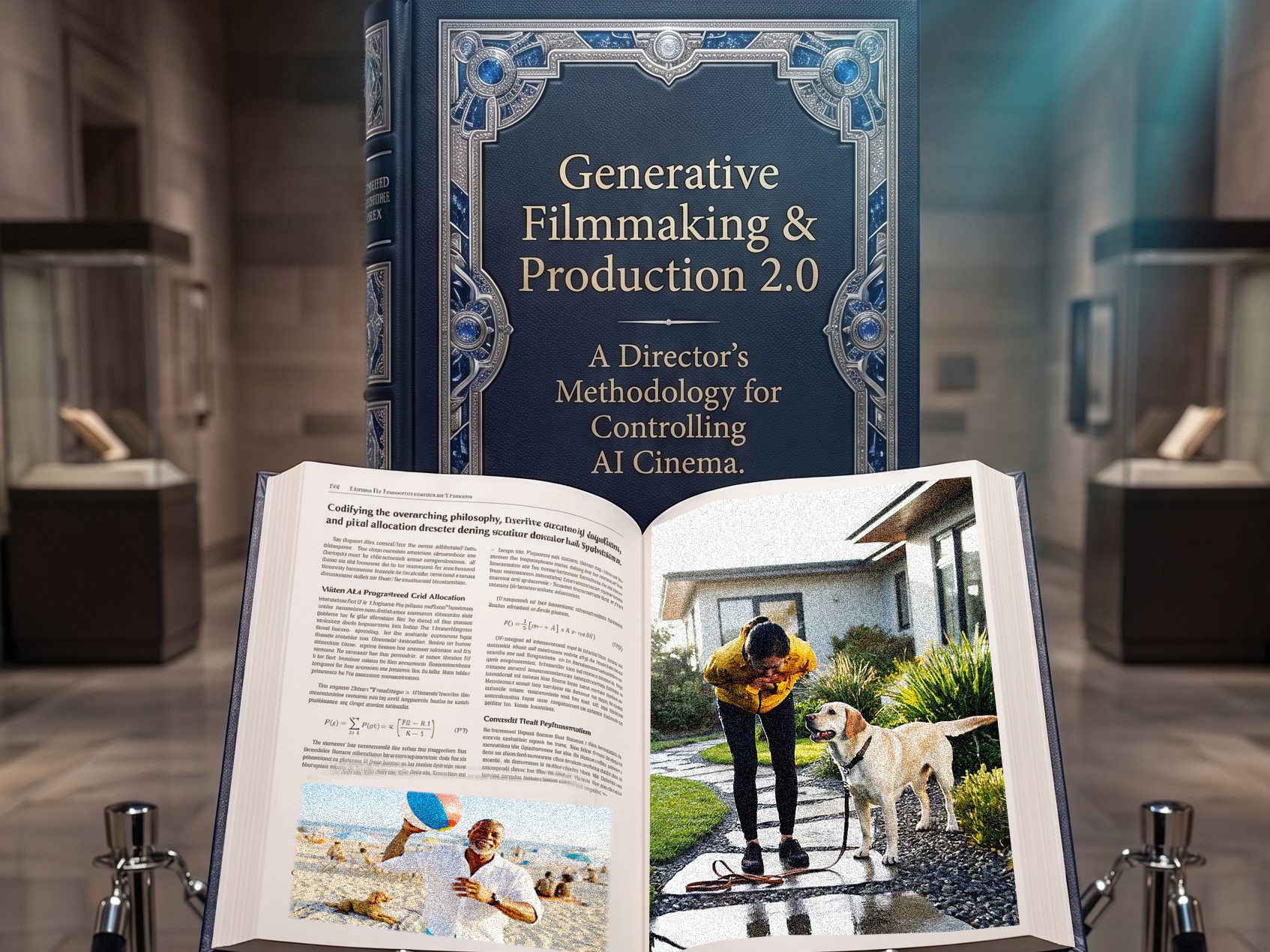
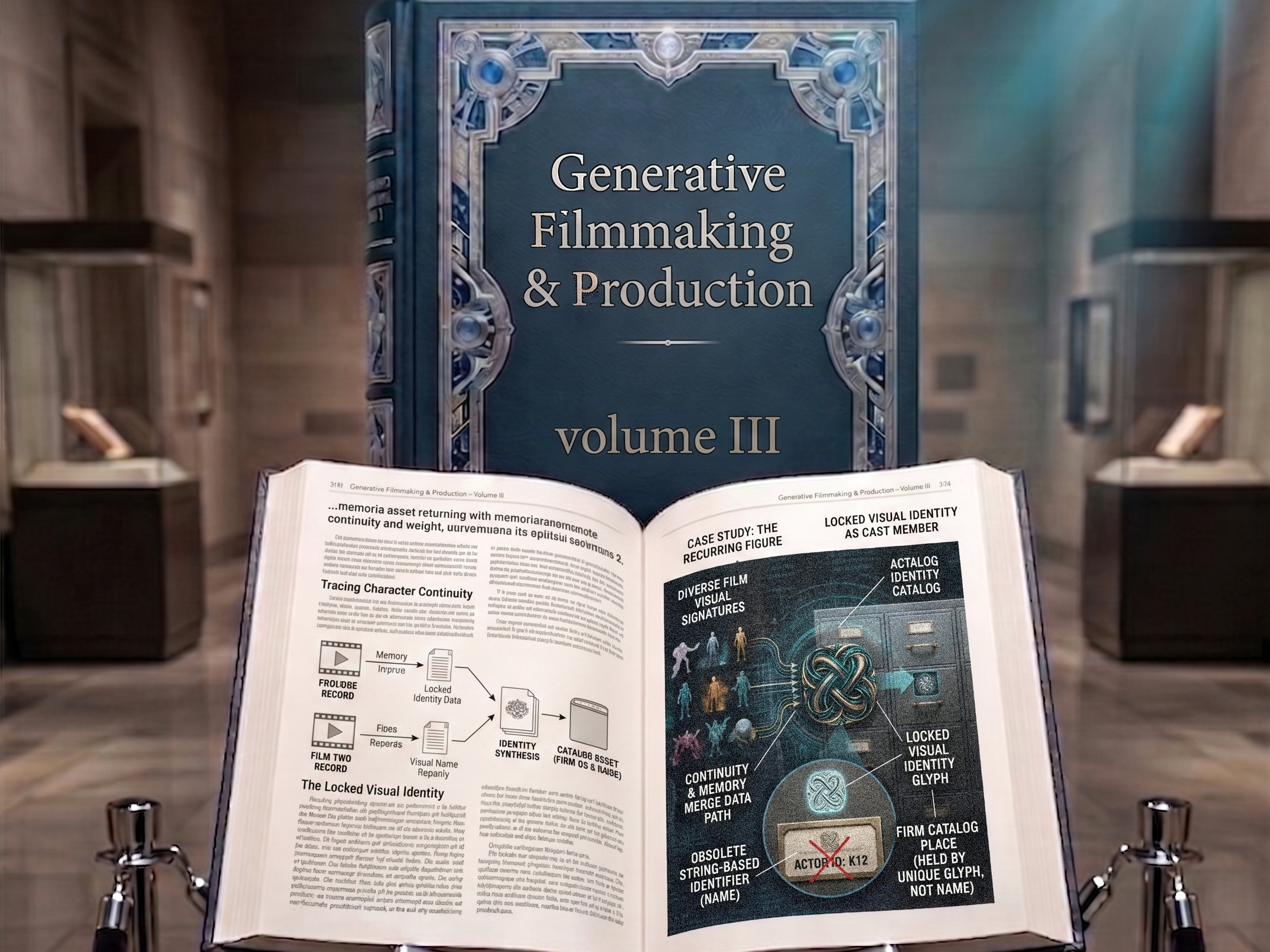
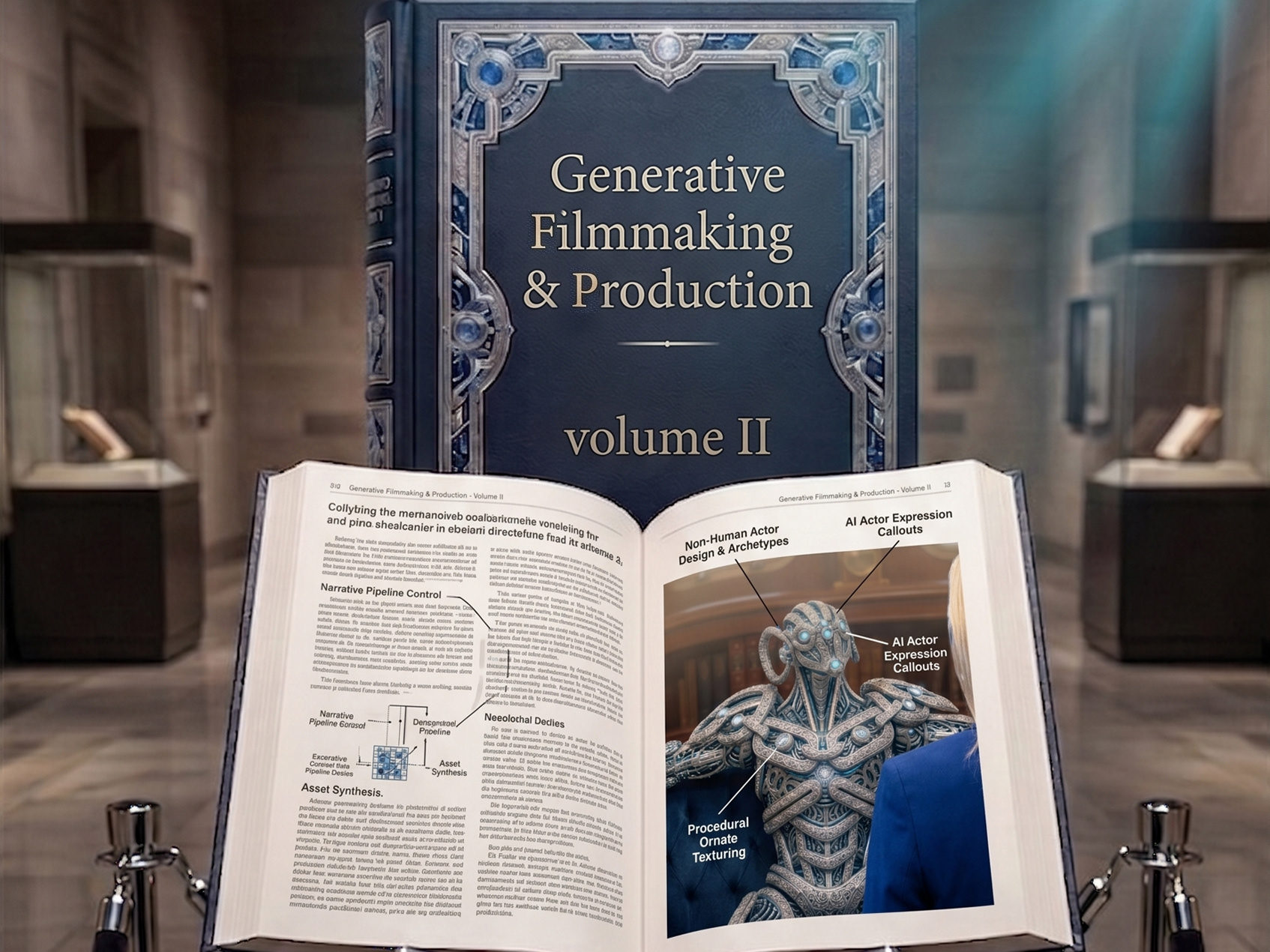
Gemini was produced entirely on Adobe Firefly generative systems under the direction of a single filmmaker — built through iterative visual development rather than traditional previsualization. The film was designed as a testbed for emotional continuity within generative image systems: sustaining identity, atmosphere, and relational consistency across a time-based narrative arc.
Production methodologies include:
- Emotional continuity modeling across aging character states
- Generative identity persistence between the puppy and senior forms of the Labrador
- Visual duality systems balancing human presence with partial obscuration and framing control
- Temporal degradation mapping to simulate gradual environmental and physical aging cues
- Scene rhythm structured to musical progression rather than script-based timing
- Iterative prompt evolution guided by failure-state analysis and visual artifact correction
- Vertical frame composition designed for proximity-based emotional immersion
These systems weren't pre-planned. They emerged through constraint, iteration, and direct observation — each sequence refined across repeated generative cycles where unintended outputs informed the next compositional decision. The result is not a previsualized animation but a responsive process shaped in real time, where coherence is achieved through accumulation rather than control.
Gemini functions simultaneously as a cinematic work and a methodological study in whether generative systems can sustain intimate, emotionally continuous storytelling across a complete arc of time.
Read the technical white paper →
Published as open research on Zenodo.
Published as open research on Zenodo.
GEMINI GENERATIVE MUSIC VIDEO

CONNECT WITH MONTEREY PHOTOGRAPHY STUDIOS
Monterey is a generative film studio exploring new forms of cinematic storytelling. For inquiries or collaboration, you may reach the studio here.
Thank you!