Theory & Methodology
Our director-led studio anchors its proprietary workflows in rigorous technical precision and three decades of photographic storytelling. With over 1,000 emotionally resonant narratives crafted as a photographer and visual storyteller, we bring a disciplined, legacy-trained eye to AI-directed cinema.
We author and publish the underlying structural frameworks that define the intersection of traditional cinematography and generative production. At the core is our still-first methodology: compelling, traditionally composed still images serve as the foundational vision before any motion or generative processes are applied. This approach elevates AI tools beyond prompt-based generation into precise, cinematic control over light, composition, performance, and story.
By formalizing these still-first development processes into peer-reviewed technical white papers, we provide commercial brands and production ecosystems with a repeatable, high-fidelity blueprint for modern worldbuilding. Every framework is archived and openly accessible via the Zenodo repository network.
Published Literature Index
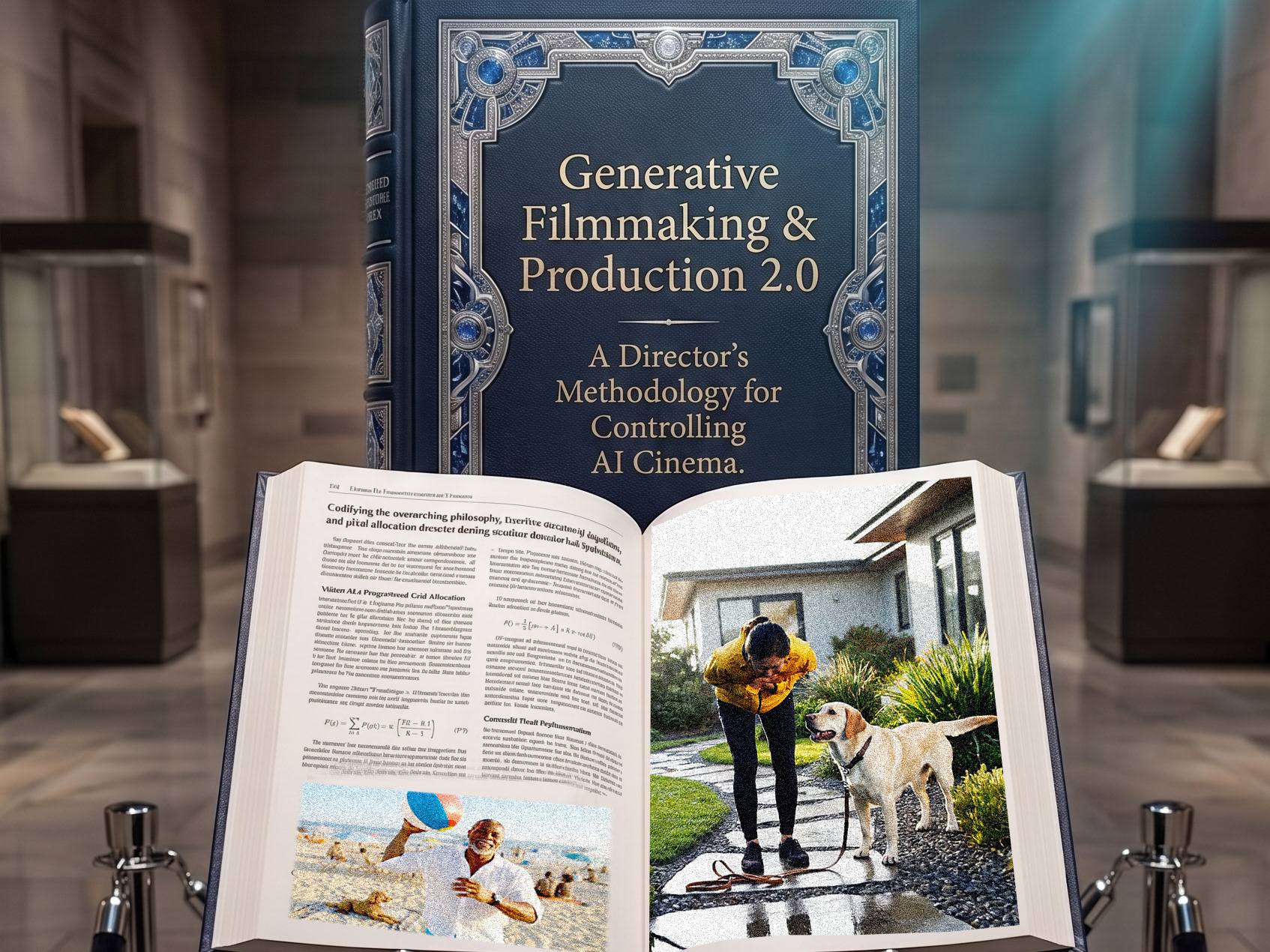
A Director's Methodology for Controlling AI Cinema.
The founding document of the Production 2.0 framework. Volume I codifies the overarching philosophy, baseline structural pipelines, and pixel allocation theories driving director-led AI cinema — from the Still-First Pipeline and camera-drift mitigation to modular frame construction, the Reference Frame Formula, and the Executive Producer Model. Built and proven on the Lumivex spec commercial, it establishes the twelve named methodologies that turn raw generation into directed filmmaking and set the foundation every later volume builds on.
Official Repository Record: https://doi.org/10.5281/zenodo.19151018
White Paper - Generative Filmmaking and Production

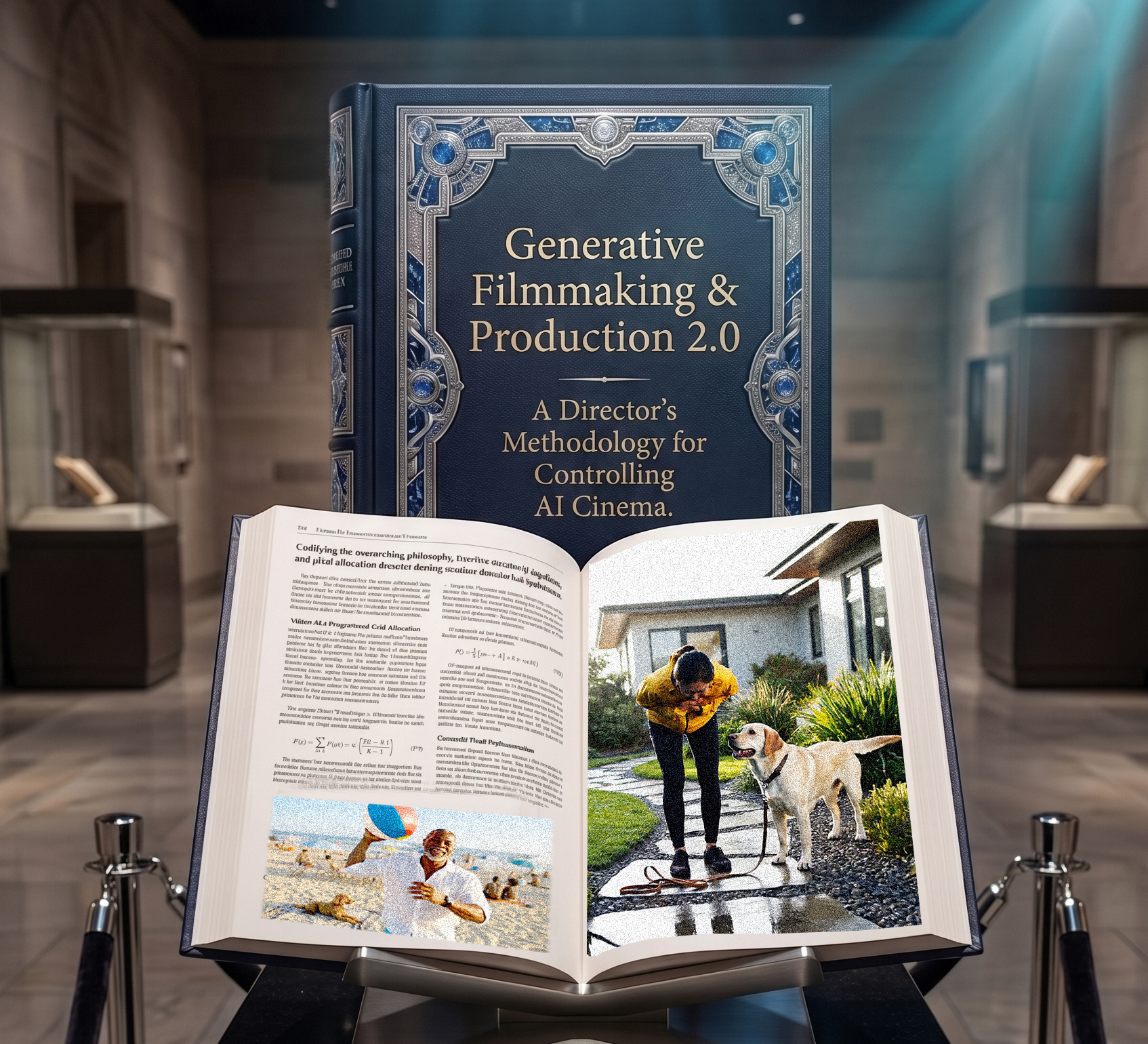
Advancing the Production 2.0 Framework Narrative Architecture, Safety Intelligence & Off-the-shelf Methodology
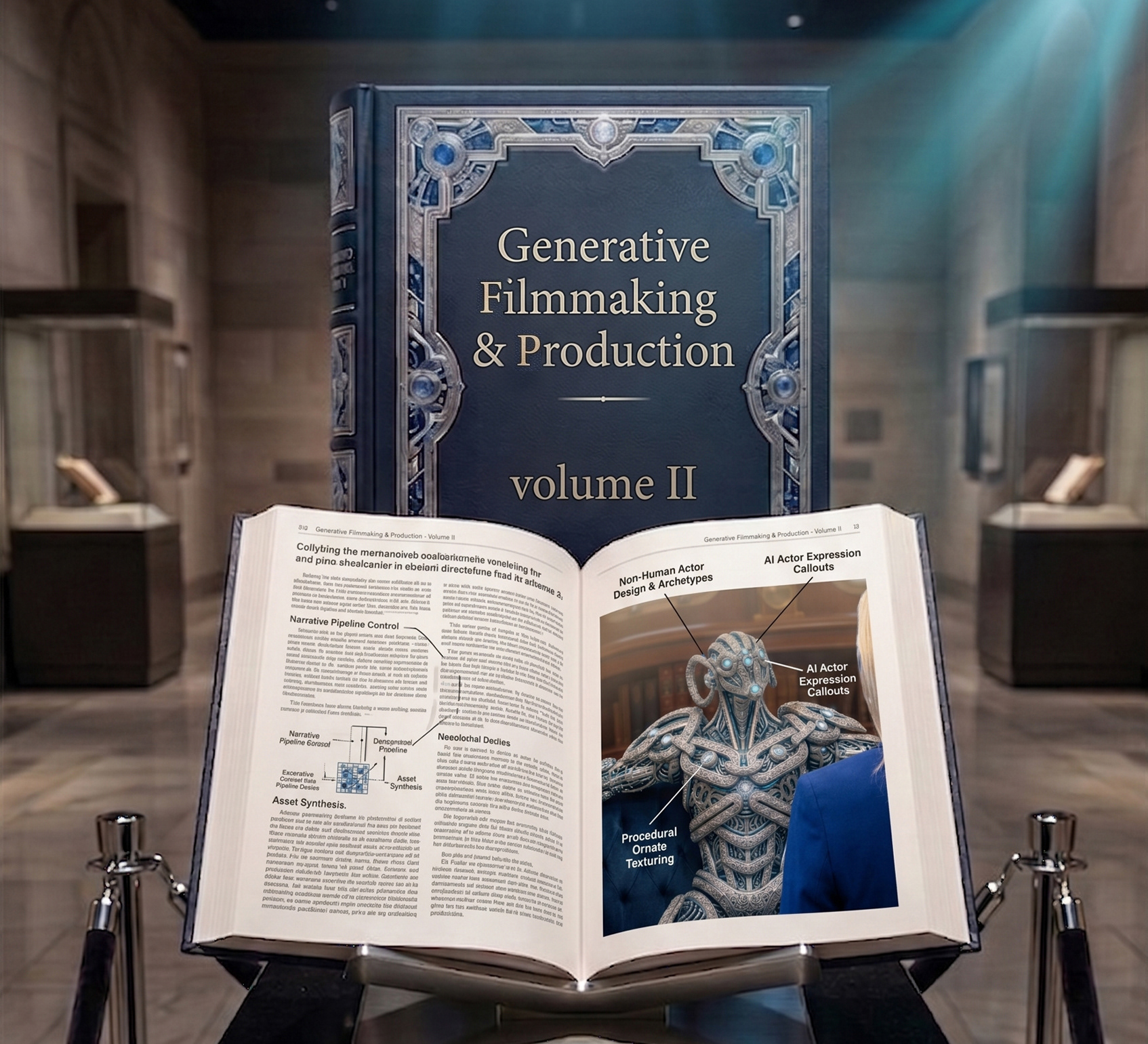
Building a Living Cinematic Universe Through Consumer-Tier Tools. An analytical deployment manual detailing the precise architecture required to scale persistent, high-fidelity transmedia narrative worlds. Volume II advances the Production 2.0 framework from technical discipline into storytelling — narrative architecture, the Irony Gap, and safety-filter intelligence — with findings extracted live from the Aevara Earth Day film. It covers the contextual safety filter, the multi-model audit, and the Director's Blocking Audit that turns first-pass generation into directed cinema. Produced entirely on a MacBook with an Adobe Firefly subscription — the constraint is the methodology
Official Repository Record: https://doi.org/10.5281/zenodo.20248096
White Paper - Generative Filmmaking and Production Volume II

Persistent Generative Personas & Legacy Data Systems
Volume III follows a recurring presence across two films — the same chrome-and-teal figure, the same navy suit, frame after frame — and asks the question the systems of record were never built to answer: when an asset returns with memory, continuity, and weight, is it still an effect, or is it a cast member? This paper makes the case that a locked visual identity can hold a place in the catalog as firmly as any name.
Official Repository Record: https://doi.org/10.5281/zenodo.20752865
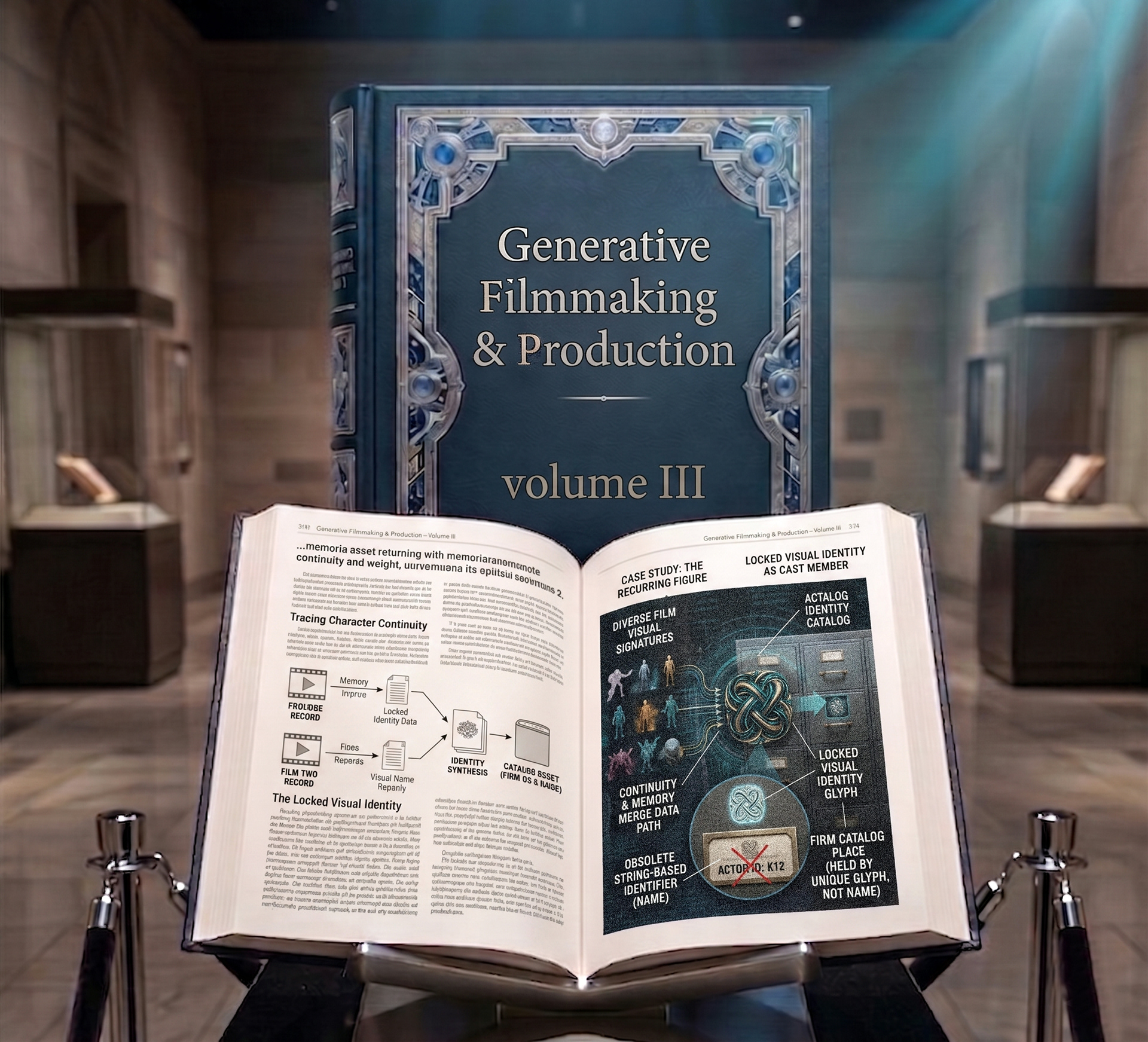
Persistent Generative Personas and Legacy Data Systems. How a recurring non-human asset earns standing as a true cast member — and what that means when fictional canon meets real-world systems of record.

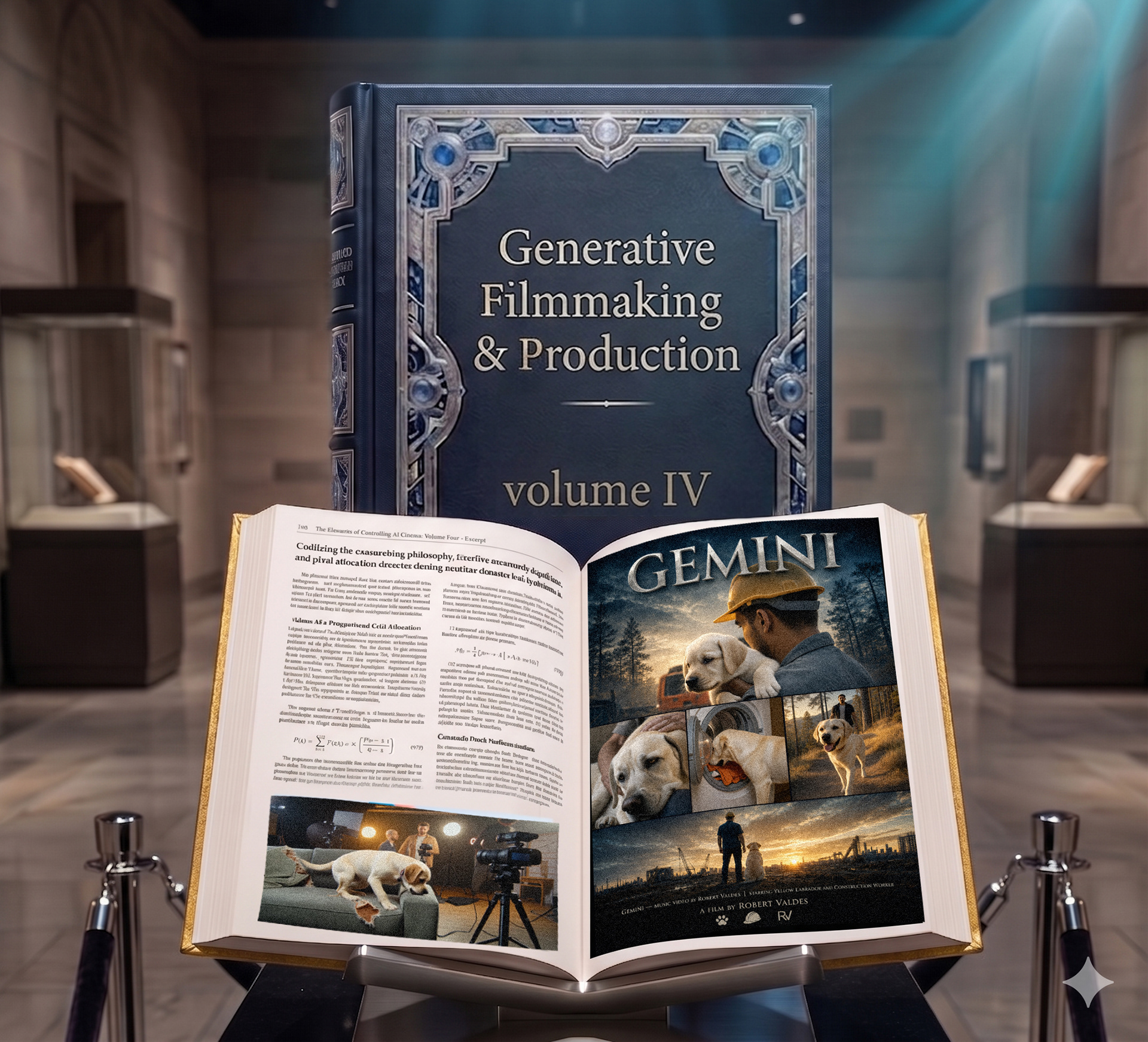
A Technical & Creative White Paper - Emotional Storytelling Through Fully Generative Imagery
A generative study in cinematic continuity created entirely in Adobe Firefly under a single filmmaker’s direction. It explores whether generative systems can sustain emotional continuity over time through the evolving relationship of a human and a Labrador. The accompanying white paper details the production methods behind the film, including identity persistence, temporal aging effects, and iterative prompt-based development. Emerging through constraint and observation, it functions as both cinematic artifact and methodological study. Read the full technical white paper on Zenodo.
Official Repository Record:https://doi.org/10.5281/zenodo.20753837
A Technical & Creative White Paper - Emotional Storytelling Through Fully Generative Imagery

Generative filmmaking & production Volume V
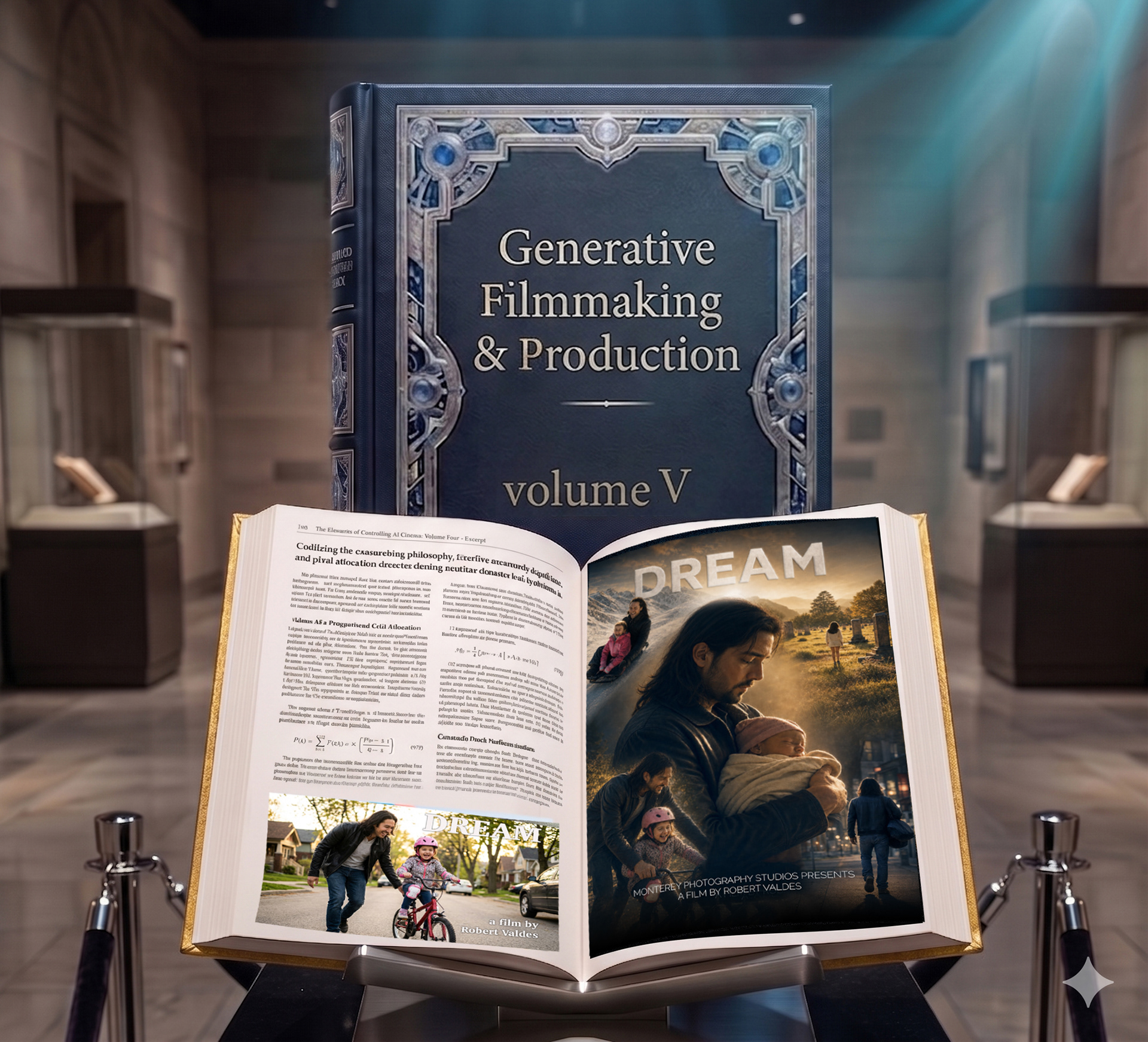
A Technical & Creative White Paper - Multi-Generational Narrative Continuity in Hybrid Practical–Generative Film
A generative study in multi-generational continuity, produced as a hybrid practical–generative film under a single filmmaker's direction. It explores whether generative systems can sustain emotional continuity across the decades of a single life, pairing live musical performance with generative sequences through the relationship of a parent and child. The accompanying white paper details the production methods behind the film, including multi-decade identity continuity, symbolic-object anchoring, and a suggestion-based approach that favors gesture and shared activity over portraiture. Emerging through constraint and iteration, it functions as both cinematic artifact and methodological study — the widescreen, hybrid extension of the question first established in Volume IV.
Read the full technical white paper on Zenodo.
Official Repository Record: https://doi.org/10.5281/zenodo.20767369
Official Repository Record: https://doi.org/10.5281/zenodo.20767369
A Technical & Creative White Paper - Multi-Generational Narrative Continuity in Hybrid Practical–Generative Film

Generative filmmaking & production Volume VI
A Technical & Creative White Paper — Hybrid Practical Filmmaking Through Directed Generative Compositing
The origin study of the series: a hard rock music video in which a single live guitar performance, shot in one plain storage unit, is surrounded by a world rebuilt through directed generative compositing. Made before any methodology existed, it records where the Production 2.0 approach began — generative imagery brought in as set dressing that became the spark for every volume that followed. The accompanying white paper details the production methods behind the film, including aesthetic-anchor prompting for seamless practical-to-generative intercutting, impossible camera positions inside and through walls, reflection compositing through an instructed in-mirror green screen, the model as a virtual camera for shots that were never filmed, and the Kinetic Descent Match, which times the performer's descent into hell to a descending guitar line. Consolidating the case study, the director's scene-by-scene record, and the prompt guide into one document, it functions as both cinematic artifact and methodological study — an honest account of a first attempt, and the question every later volume builds on.
Read the full technical white paper on Zenodo.
Official Repository Record: https://doi.org/10.5281/zenodo.22930706
Official Repository Record: https://doi.org/10.5281/zenodo.22930706


Generative filmmaking & production Volume VII
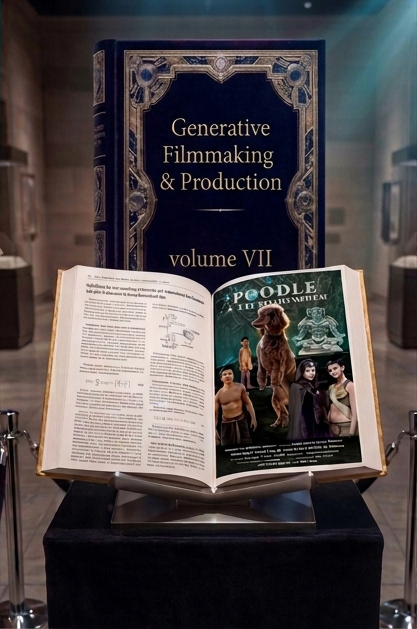
A Technical & Creative White Paper — Maintaining Consistency: Characters and Locations
A production study in holding a locked cast and world together across two companion films: Artifact 3, the press-junket and behind-the-scenes package, and Artifact 4, the narrative film The Poodle and the Commander, both set in the Aevara Cinematic Universe. It examines what persistent character and location locking actually costs when one cast must survive two different shot classes: full-body adventure scale in the narrative cut, and talking-head speech in the press cut. The white paper details the methods behind that continuity, including Element-based identity locking in Kling, locked wardrobe and color strings, the Two-Cut Doctrine for dividing resolution between body and mouth, a Speech-to-Speech voice pipeline that preserves generated lip-sync timing, and a zero-waste pre-flight checklist that catches failures before credits are spent. Written from a single filmmaker's production records, it documents what held, what broke, and what remains open — the character-consistency argument of the series carried into a full ensemble production.
Read the full technical white paper on Zenodo.
Official Repository Record: https://doi.org/10.5281/zenodo.22925060
Official Repository Record: https://doi.org/10.5281/zenodo.22925060

WHITE PAPER AND SYSTEMS DESK
Open channel for Production 2.0 research, technical methodology, and generative cinema framework inquiries.
Monterey Photography Studios documents and field-tests advanced generative film pipelines at the intersection of traditional cinematography and AI architecture. If you are reviewing our published white papers, analyzing our still-first methodology, or looking to discuss technical integration and peer collaboration, submit your query here.
Thank you so much for reaching out.Your message has come straight through to our studio office. We know how much care and intentional planning goes into initiating a new collaboration, and we truly appreciate you taking the time to connect with us.We review every inquiry personally and will get back to you within 24 to 48 hours to discuss your project. We look forward to speaking with you soon.
Return to the Homepage →
Return to the Homepage →